By Jenna Keyes
“Mice on Venus”, embedded via SoundCloud for academic analysis of digital media and game. The embedded music above is a selection of songs that Minecraft would play. For users who cannot access this audio, this track features a slow, ambient piano melody that creates a calm atmosphere during gameplay. This piece demonstrates how Minecraft uses digital sound design to generate emotional depth and immersion in ways that physical media such as books or LEGO sets cannot replicate.
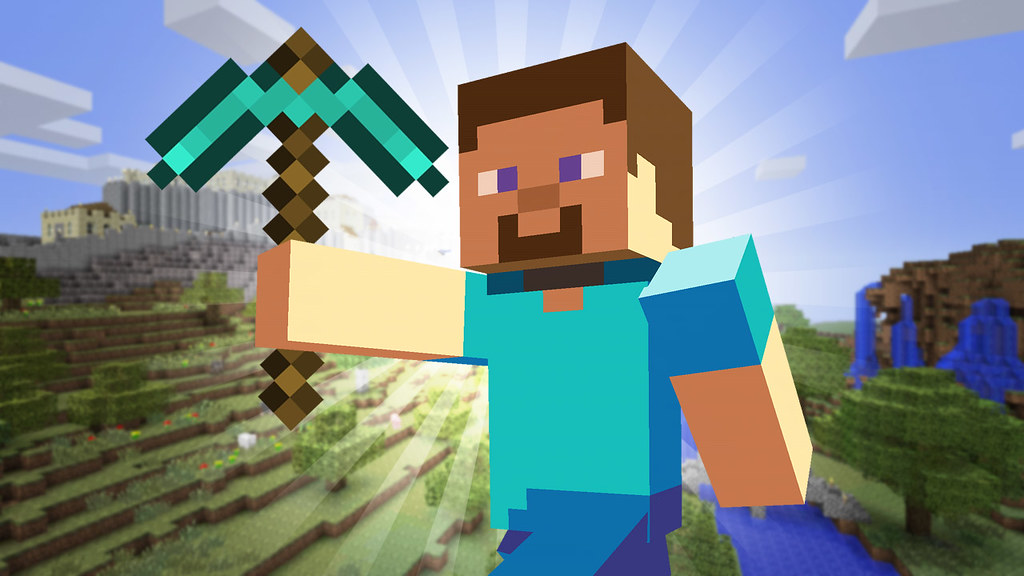
Since its launch in 2011, Minecraft has become one of the most influential digital media franchises in the world. Created by Mojang Studios, the game allows players to create, explore, and interact in procedurally generated, block-based worlds. Unlike traditional narratives in books or films, Minecraft is player-driven, allowing for emergent storytelling, endless creativity, and collaboration. The narrative is not fixed but instead is created through interaction, experimentation, and imagination.
The Minecraft franchise now spans across multiple media formats, including printed novels, YouTube series, LEGO sets, educational programs, and even merchandise. By examining Minecraft as a digital medium, we can explore how digital affordances, accessibility, ethics, and audience engagement differ from those of more traditional media forms.
This essay focuses on Minecraft’s digital format as the starting point, comparing it with other media, analyzing its contributions to narrative, interactivity, and society, and evaluating the unique opportunities and limitations of each format. This comparison shows how Minecraft’s digital format reshapes storytelling, participation, and ethical responsibility in ways that traditional media cannot.
Minecraft as a Digital Medium
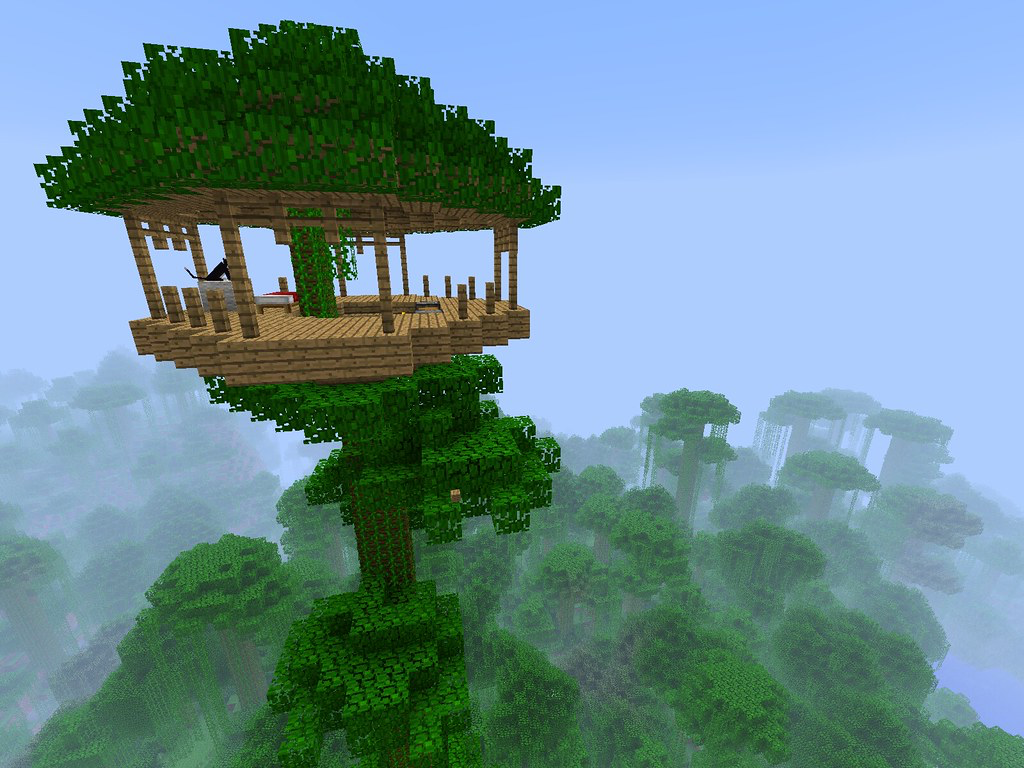
The core of Minecraft exists within a digital environment. Players navigate expansive virtual landscapes, gather resources, construct structures, and interact with others through online servers. Unlike books, films, or physical toys, Minecraft is not limited by linear storytelling or physical constraints. Its digital format allows for infinite variability, user-generated content, and constant technological updates.
One of the most important aspects of Minecraft as a digital medium is that the player becomes the storyteller. There is no singular protagonist or fixed plot. Instead, meaning happens through gameplay, personal goals, social interaction, and creative experimentation. This shift from narrative consumption to narrative participation represents a defining affordance of digital media.
Affordances of the Game
Minecraft’s digital version provides several unique affordances:
- Player-Driven Narrative: Unlike books and/or films, Minecraft allows players to take control over the story. Players get to decide what to build, explore, or create, resulting in a unique experience for each user.
- Interactivity and Collaboration: Multiplayer servers allow for collaboration, socialization, and communal creativity. Players can build together, roleplay, or compete, which helps develop real-life social skills through a digital environment.
- Procedural World Generation: Minecraft’s worlds are never the same twice. Digital technology allows for endless worlds and landscapes, whereas physical toys or books are finite.
- Dynamic Updates and Modding: Minecraft evolves through updates and mods, extending its narrative and gameplay beyond the original design. These affordances are literally impossible in static media like printed books or LEGO sets.
Limitations of the Digital Version
Despite all of its strengths, Minecraft also has some limitations:
- Requires a digital device and a stable internet connection. This creates barriers for individuals with limited technological access
- New players face a learning curve due to the game’s complexity and open structure
- Narrative is emergent but not structured, which limits story depth or emotional engagement compared to books and films.
Comparison with Other Media Formats
1. Books
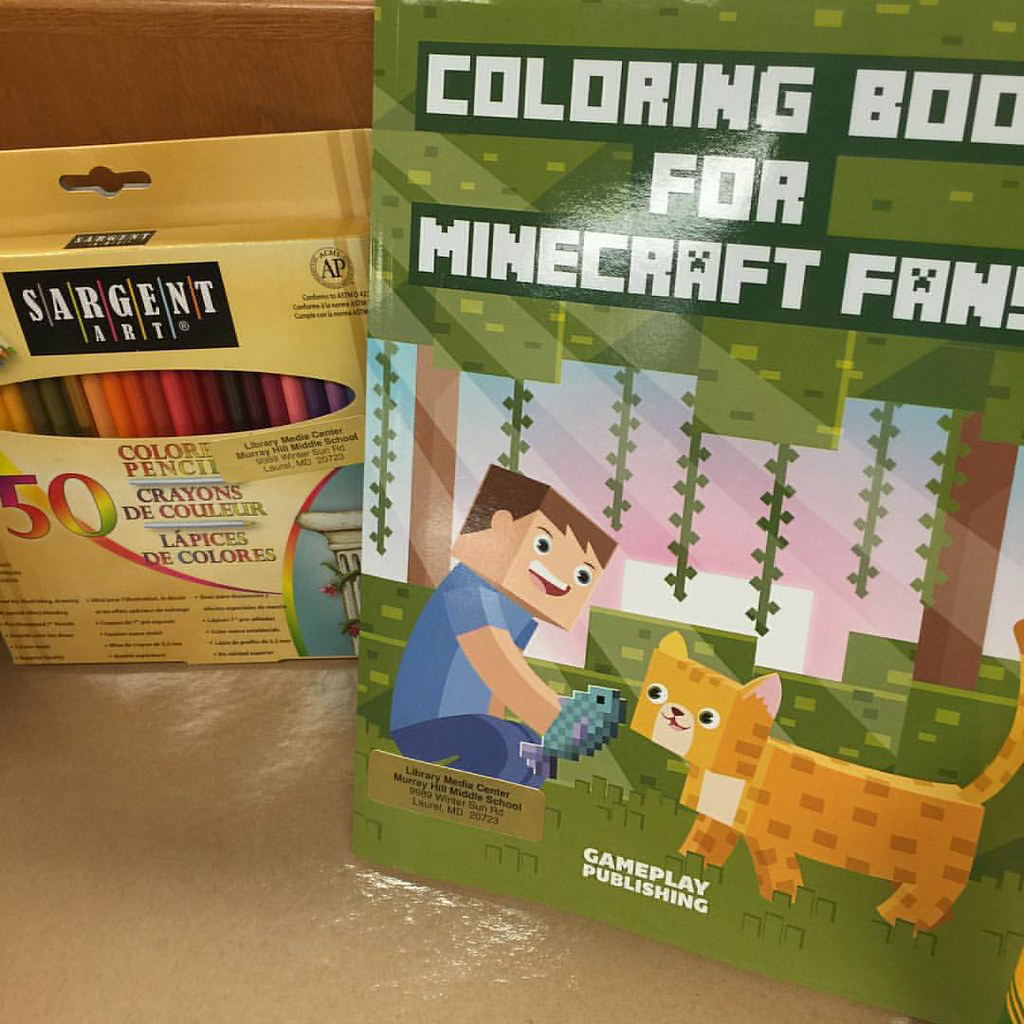
Minecraft has inspired novels like The Island, The Crash, and The Lost Journals. These books provide linear narratives in the Minecraft universe.
Affordances of books
- Structured storytelling with character development
- Emotional engagement through text
- Easy access- does not need internet for physical books
Limitations compared to the game
- Readers are passive participants
- No interactivity or emergent gameplay
- Cannot replicate the tactile or creative freedom of building in the game
Books contribute to the Minecraft narrative by giving cohesive, pre-scripted stories, but the digital game allows for personalized, participatory experiences that books cannot replicate.
2. YouTube Series and Web Videos
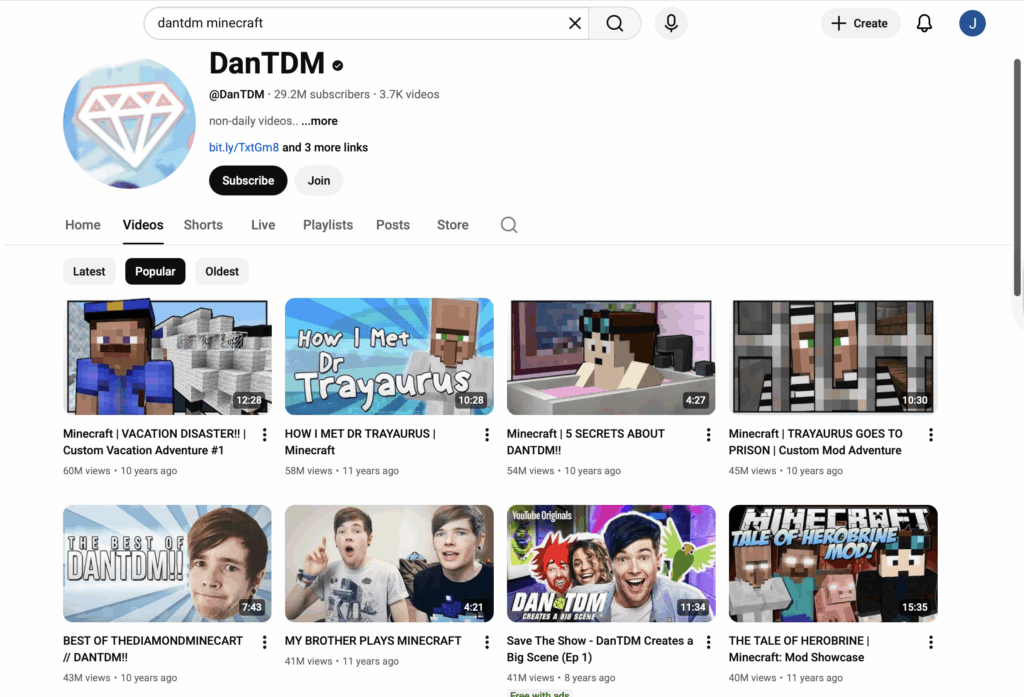
Minecraft content creators on YouTube include tutorials and roleplay series, translating the game into a shared digital narrative for audiences.
Affordances
- Combines game footage with storytelling, humor, and commentary
- Provides a social experience for viewers
- Highlights creativity and innovation within the game
Limitations
- Viewers remain passive, unlike players in the game
- Narrative is guided by creators, not individualized
YouTube videos extend the game’s reach to audiences who may not play Minecraft, but lack the participatory agency the game offers
3. LEGO Sets and Merchandise
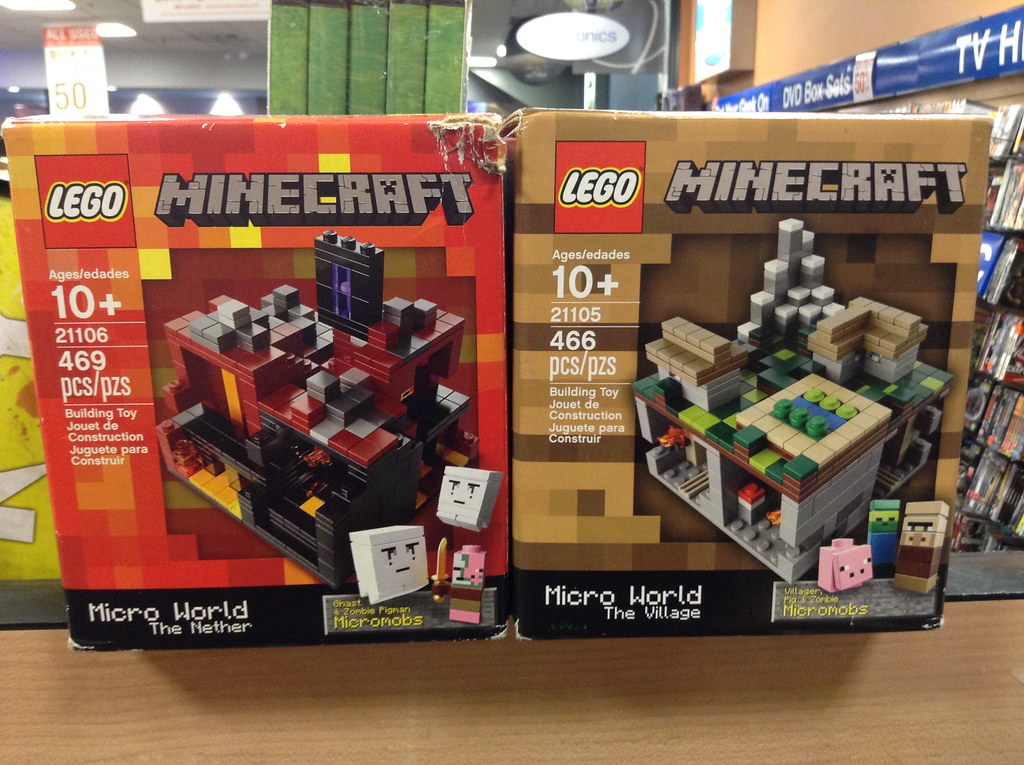
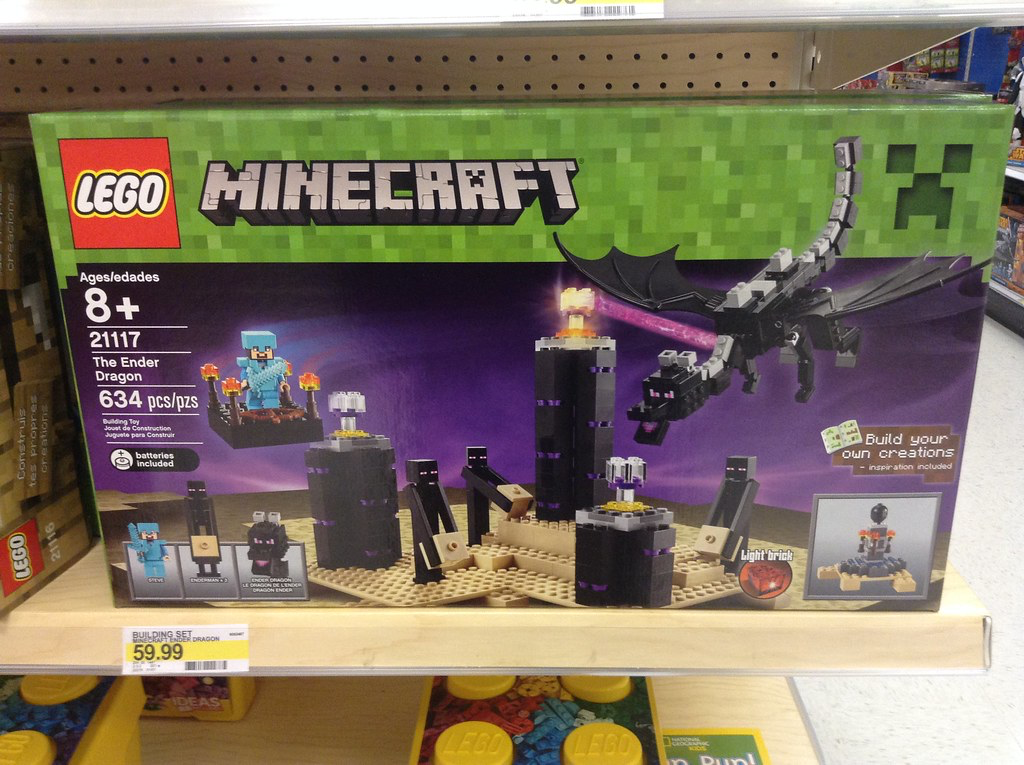
Minecraft LEGO sets replicate in-game mechanics into the physical world, allowing players to build iconic scenes.
Affordances
- Tactile experience, collectible series
- Encourages physical creativity
- Can be combined with digital play following in-game designs
Limitations
- Fixed pieces and pre-determined builds
- Cannot provide emergent storytelling or interactive worlds
- Limited scalability compared to digital Minecraft
- Affordability of LEGO sets
LEGO sets provide a tangible experience, bridging physical and digital play, but they cannot match the game’s flexibility, persistence, or social interactivity.
Minecraft: Education
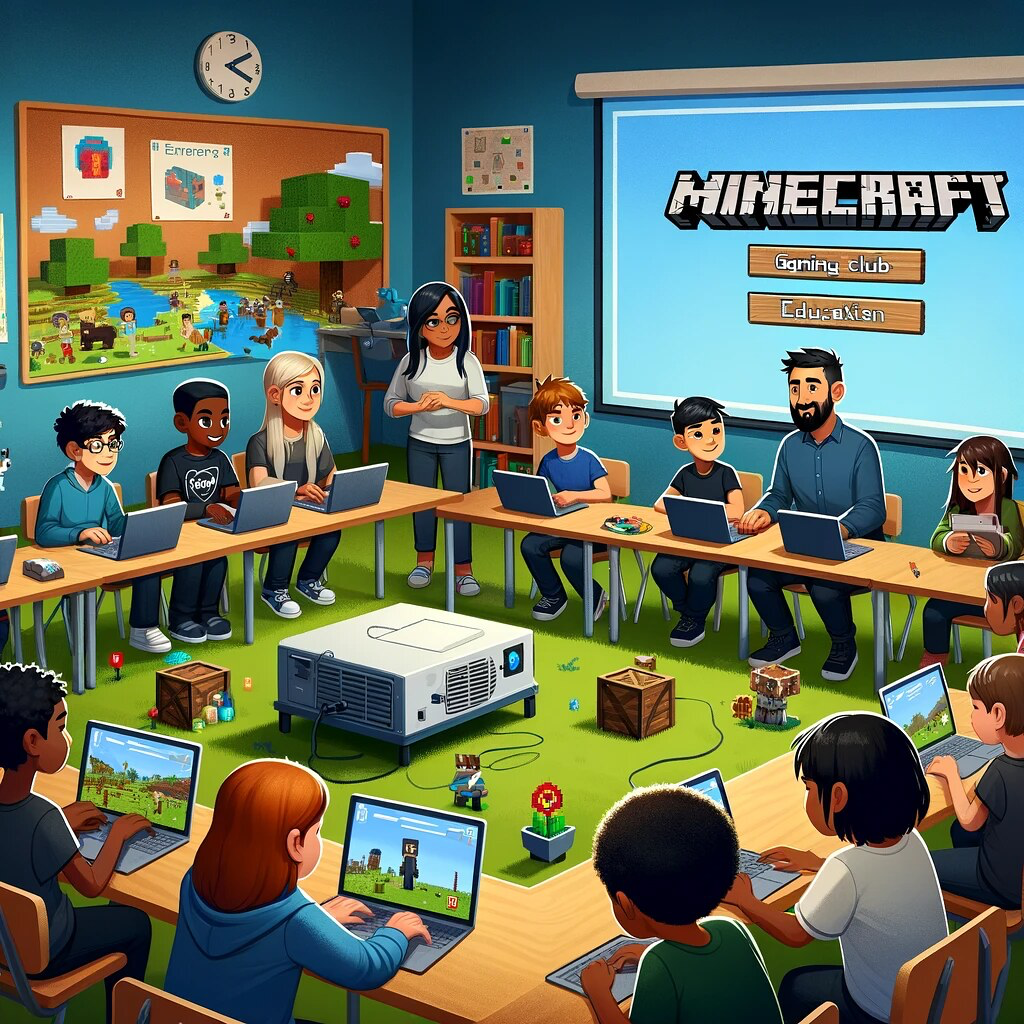
The digital Education Edition adapts Minecraft for learning, offering structured lessons in math, coding, and collaboration
Affordances
- Digital interactivity supports experiential learning
- Encourages collaboration and problem-solving
- Real-time feedback and dynamic worlds enhance engagement
Limitations
- Access is limited to schools or those with subscriptions
- Narrative freedom may be constrained for educational purposes
Education Edition shows the broader social and ethical impact of digital media. It expands Minecraft beyond entertainment into pedagogy, which is not possible with books, videos, or LEGO sets
Ethical Concerns

Minecraft raises ethical and accessibility concerns unique to digital media
- Online Safety: Multiplayer servers can expose young players to inappropriate content and interactions. Server moderation and parental controls are needed.
- Accessibility: Players with limited mobility, internet access, or devices may be excluded from full participation.
- Content Control: User-generated mods can introduce sensitive or unmoderated content
Traditional media like books and LEGO sets have fewer ethical concerns. The digital format introduces responsibility for user safety, privacy, and equitable access, emphasizing the importance of inclusive design.
Accessibility and Inclusivity
Minecraft is generally accessible
- Available across multiple platforms (PC, console, mobile)
- Supports text-to-speech and some visual accessibility options
But…
- Multiplayer interaction may disadvantage players with limited devices or disabilities
- Not all mods or educational resources are universally accessible
- Requires literacy, basic digital skills, and sometimes strong hardware
Digital affordances allow customizable worlds, but access barriers highlight inequities not present in static media like toys and books
Narrative Contribution
Minecraft transforms the concept of storytelling
- Players become the protagonists
- Emergent stories arise from creativity, collaboration, and explorations
- Community events like Build Competitions or server quests produce shared, evolving narratives
Other formats provide linear or curated narratives. Books and YouTube videos create predetermined plots, while LEGO sets allow for building but cannot persist or evolve over time. Minecraft’s digital format emphasizes experience over prescribed story, making the player’s actions central to the narrative.
Digital vs. Traditional Media Boundaries
Minecraft demonstrates both blurring and reinforcement of media boundaries:
- Blurs: Combines digital gameplay, social interaction, educational use, and fan-generated content
- Reinforces: Linear media like books and LEGO sets remain fixed and structured
The digital format expands audience participation, while traditional media maintains narrative control. Both are essential to understand the full scope of the Minecraft universe.
Limitations of Each Media Format
| Media Format | Affordances | Limitations |
| Minecraft (game) | Player-driven narrative, interactivity, social collaboration, and emergent storytelling | Access barriers, online safety risks, and learning curve |
| Books | Structured storytelling, emotional engagement, and offline accessibility | Passive, limited interactivity, and no creative freedom |
| YouTube | Shared narratives, community engagement, and tutorials | Passive, guided by creators, and no player agency |
| LEGO sets and merchandise | Tactile building, collectible, and physical engagement | Fixed builds, limited scalability, and no persistence |
| Education Edition | Structured learning, collaboration, and experiential engagement | Limited freedom and no restricted access |
Conclusion
Minecraft shows how digital media changes the way stories are experienced and how audiences interact with them by turning players into active participants instead of passive viewers. Because the game is interactive and open-ended, storytelling develops based on player choices, creativity, and collaboration with others. Unlike books, videos, or physical toys that follow set storylines and outcomes, Minecraft allows players to build their own worlds, shape their identities, and create meaning through direct experience in the game. This kind of participatory storytelling is only possible in a digital environment that is networked and programmable, making it one of the most important strengths of digital media. At the same time, these freedoms come with challenges, such as online safety risks, barriers to access, and unequal availability of technology and the internet, which separate digital platforms from traditional media.
When comparing Minecraft to books, videos, LEGO sets, and Education Edition, each format clearly adds something different to the overall franchise while also having its own limits. Books provide emotional depth and clear story structure, videos help create shared moments and online communities, LEGO sets offer hands-on creativity, and Education Edition shows how the game can be used for learning. Even so, none of these formats fully match the constantly evolving, interactive, and participatory experience of the digital game itself. Minecraft moves storytelling beyond simply watching or reading and turns it into something players actively create and share. This shows how powerful web-based and interactive storytelling can be in today’s media landscape.